


Basalt ruins and far-reaching views from ancient Gadara
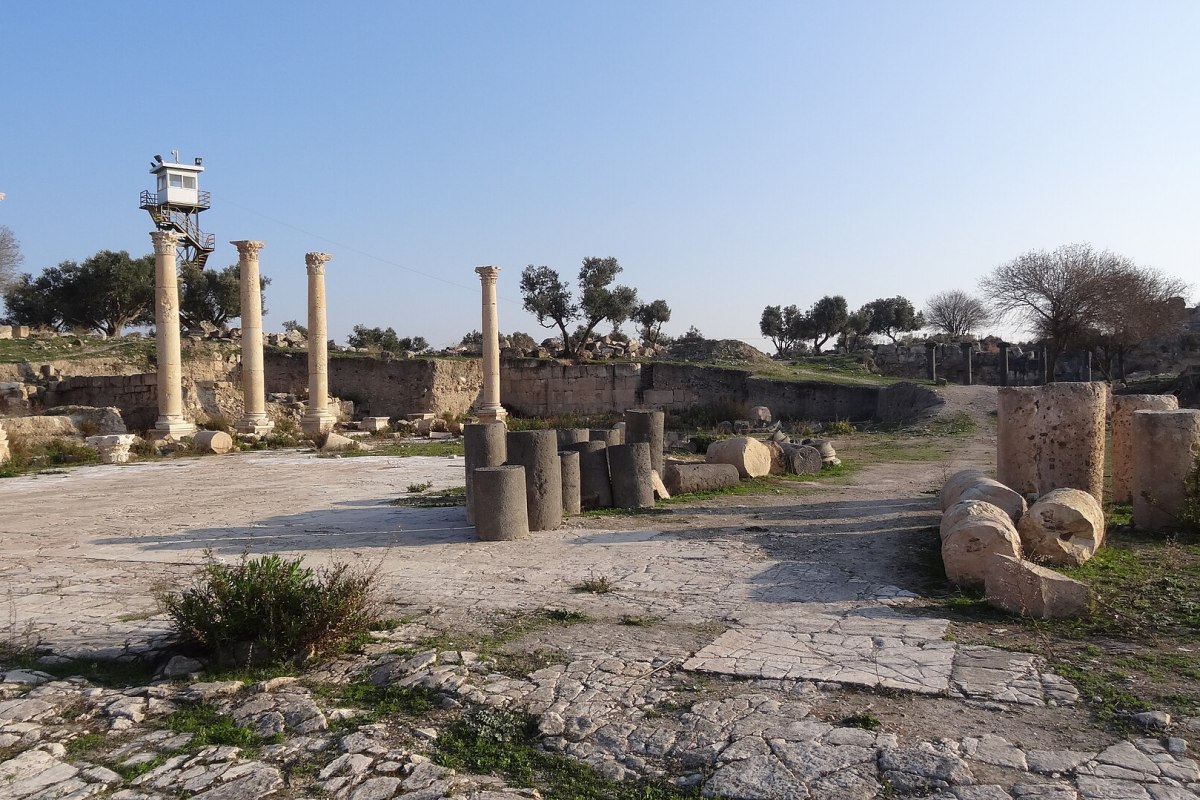
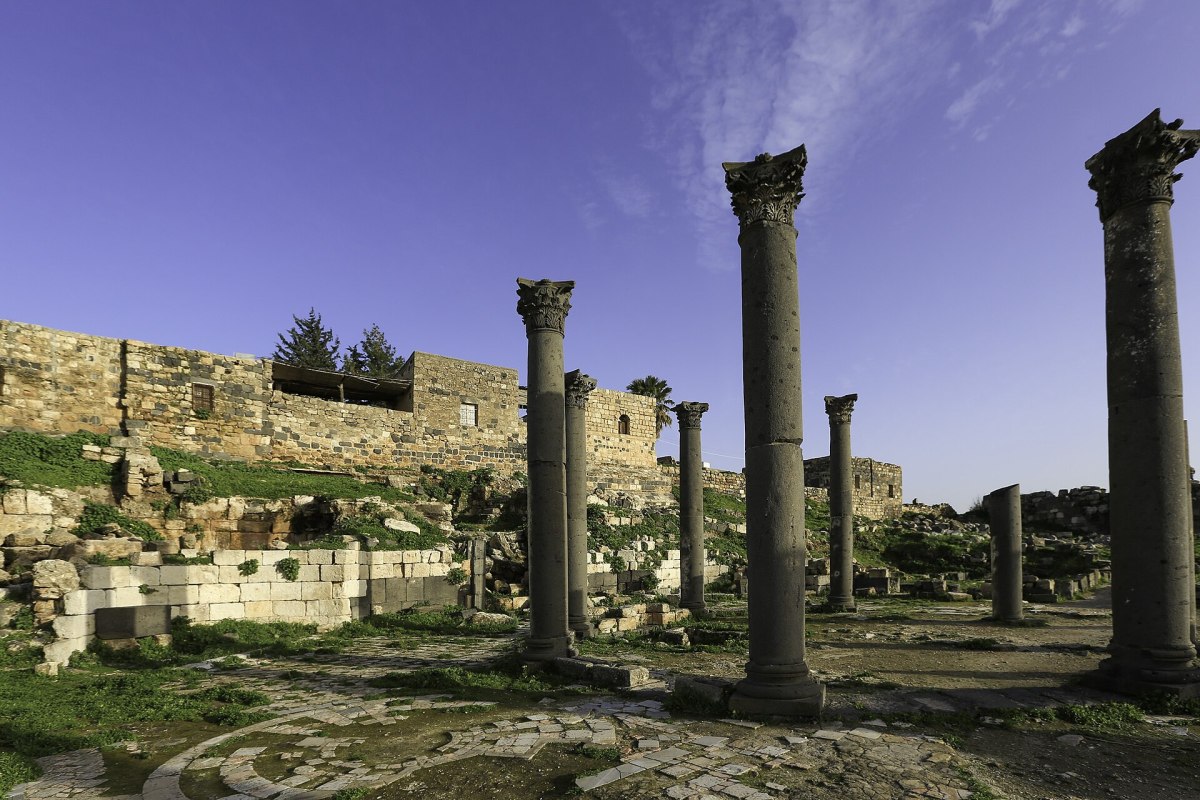
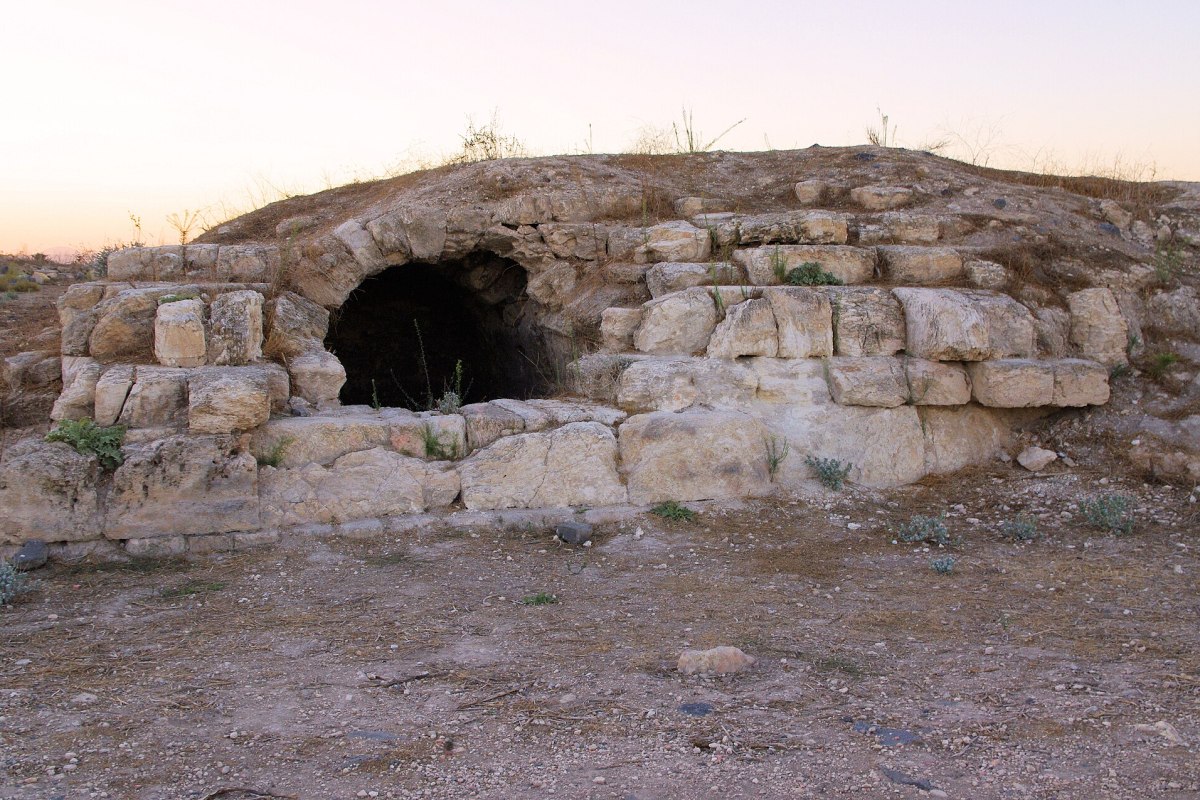
Set high above the Yarmouk River and Jordan Valley, Umm Qais occupies one of the country’s most dramatic positions. The site preserves ancient Gadara, a city of the Decapolis, where dark basalt and pale limestone form theatres, a colonnaded street, tombs, terraces, and the remains of later Byzantine buildings.
An Ottoman-era village overlaps the archaeological landscape, adding another human layer to the visit. On clear days, viewpoints extend toward the Sea of Galilee, the Golan Heights, and the northern Jordan Valley, making the setting as memorable as the monuments.
Signature experiences
- Sit in the black-basalt West Theatre and examine its preserved details.
- Follow the ancient street through Roman, Byzantine, and Ottoman layers.
- Pause at a hilltop viewpoint over the Jordan Valley and Sea of Galilee.
- Add a village meal or community-led northern experience to the visit.
How to experience Umm Qais
Two to three hours is comfortable for the archaeological site and museum area, but the long drive from Amman makes a fuller northern itinerary worthwhile. Umm Qais can be paired with local food, countryside walks, or—on a long day—with Ajloun and Jerash.
Morning often brings clearer long-distance views, while late afternoon gives the basalt ruins warmer light. The exposed site includes uneven surfaces, so supportive footwear is helpful.